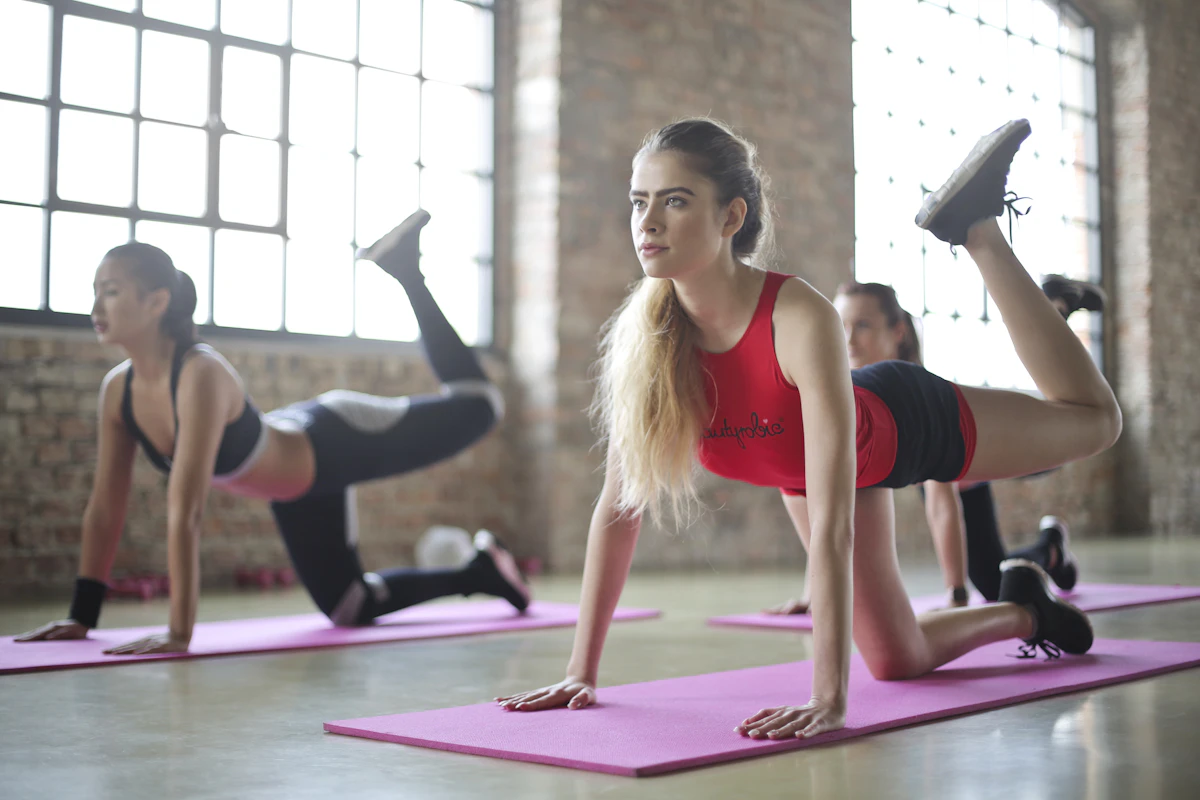
Notice the lean, the weight, the line running through the body. That is what separates a living figure from a frozen mannequin.
Notice the lean, the weight, the line running through the body. That is what separates a living figure from a frozen mannequin.
Ever generate a portrait where the face is gorgeous, the lighting is perfect, the outfit is great, and yet the person stands there stiff as a shop mannequin? You are not imagining it. Posing is the skill that quietly decides whether a figure feels like a living human or a wax model someone propped up. The good news is that natural body language is something you can prompt on purpose once you know what to ask for. Let me walk you through it like a friend sketching beside you.
Hey friends. Today we are talking about the thing that decides whether your figure reads as a real, breathing person or a frozen doll: the pose. A pose is more than where the arms and legs go. It is the story the body tells, the way weight shifts onto one hip, the small lean of the shoulders, the tension or ease in the hands. Artists have studied this for centuries because the human eye is ruthlessly good at spotting a body that does not move like a real one.
Here is the encouraging part. Your model has seen countless photographs of real people standing, walking, dancing, and laughing, so it already knows what living bodies look like. Your job is to stop describing a statue and start describing an action. The instant you swap stiff anatomical labels for a verb and a feeling, the whole figure loosens up and starts to breathe.
Beginners try to control a pose by listing body parts: "arms at sides, head straight, legs together, looking at camera." That instruction set is exactly how you get a mannequin, because you have described a position, not a person. Real people are almost never perfectly squared up and symmetrical. The fix is to prompt a gesture or an action and let the body fall into it naturally. Instead of "woman standing, arms down," write "a woman caught mid-laugh, glancing back over her shoulder, weight on one hip, one hand brushing her hair." Now there is movement, intention, and life.
This is the single most useful habit in the whole article. Verbs are your friend. "Leaning against a wall," "reaching for something just out of frame," "mid-stride walking toward the camera," "twisting to look behind her," "settling into a chair." Every one of those implies a chain of natural body mechanics that the model knows how to render. You are not micromanaging joints, you are giving the figure a reason to move.
The fastest stiffness fix: stop typing "standing, facing forward" and start typing an action plus a weight shift. Swap "woman standing" for "a woman mid-stride, weight shifting onto her front foot, shoulders turned slightly away" and watch a frozen pose come to life. A pose needs a verb.
Two old art concepts will do more for your figures than any keyword pileup. The first is contrapposto, the classic relaxed stance where the weight rests on one leg, which drops one hip and raises the opposite shoulder, putting a gentle S-curve through the body. It is why a Renaissance statue looks at ease while a symmetrical figure looks frozen. You can prompt it directly with "contrapposto stance, weight on one leg, hip cocked, relaxed posture," and your figures immediately feel less like they are standing at attention.
The second is the line of action, the single sweeping curve that runs through a figure from head to toe. Dynamic poses have one clear, flowing line; stiff poses are a stack of straight verticals. You do not need to draw it, but you can ask for what creates it: "body arching back," "leaning into the wind," "curving forward in a gentle crouch." When you describe a continuous flow of movement rather than a set of right angles, the model gives you a figure with rhythm and energy.

One flowing line, weight on one side, a real sense of motion. That is contrapposto and line of action doing their quiet work.
Body language lives in the details, and two of the loudest signals are the hands and the eyes. Idle hands hanging like noodles instantly flatten a pose, so give them a job: "hands resting on hips," "fingers tucked into a pocket," "one hand cupping a coffee mug," "arms loosely crossed." A purposeful hand reads as intention, and intention reads as life. Hands are also where AI models historically stumble, so if a great pose comes back with a mangled hand, do not throw the whole image away.
Gaze is just as powerful. Where the figure looks tells the viewer where to look and sets the entire mood. "Looking directly at the camera" feels confident and engaged, "gazing off into the distance" feels wistful and cinematic, "eyes closed, head tilted up" feels peaceful. Pair the gaze with the action so they agree, because a body twisting away while the eyes lock on the lens creates a wonderful sense of being caught in a candid moment. If you want that gaze to carry real emotion, our guide to lighting and mood pairs beautifully here, since the same soft light that flatters a face also sells the feeling behind the eyes.
Sometimes you have an exact pose in your head and text just will not land it. That is the moment to reach for ControlNet with the OpenPose model, which lets you feed in a stick-figure skeleton and forces the generation to match that exact posture. You can pull the skeleton from a reference photo or pose it by hand in an editor, then let the model paint your character onto that precise pose. It is the difference between asking nicely and giving directions, and it is the single biggest leap in pose control most people make.
OpenPose is also the secret to keeping a recurring character believable across many images, because you can place the same face into wildly different poses without losing the person. If you are building a consistent character, this stacks perfectly with the identity tools in our walkthrough of keeping the same face every time. And when a pose is perfect but one hand or foot came back wrong, you do not reroll the whole thing. Brush just that region back to life with the techniques in our guide to inpainting and outpainting.
| What you want | Prompt words to try |
|---|---|
| A relaxed, natural stance | contrapposto, weight on one leg, hip cocked, relaxed posture |
| Energy and motion | mid-stride, twisting, leaning into the wind, body arching, candid movement |
| Purposeful hands | hands on hips, fingers in pocket, holding a mug, arms loosely crossed |
| A storytelling gaze | looking over shoulder at camera, gazing into the distance, eyes closed and head tilted up |
| An exact pose you imagined | ControlNet OpenPose skeleton from a reference, posed by hand |
| Kill the mannequin look | asymmetry, weight shift, gesture, a verb instead of a position |
Here is the part I love. Posing is not a locked technical skill, it is a way of paying attention to how real people actually hold themselves. Once it clicks, you will start noticing it everywhere, the way a friend leans on a doorframe, the weight on one hip while waiting in line, the unconscious tilt of a head mid-conversation. The recipe is small enough to memorize: prompt an action instead of an anatomy list, lean on contrapposto and a flowing line of action, give the hands a job and the eyes a direction, and reach for ControlNet OpenPose when you need exact control.
Try it on your very next render. Take a figure that came out stiff, replace "standing, facing forward" with a real verb and a weight shift, give one hand something to do, and decide where the eyes go. Watch a frozen doll turn into a person who looks like they were caught in a real moment. And if you want the pose to sit in a frame that flatters it, our guide to composition and framing is the perfect next step. Go make a figure that feels alive, and have fun bringing it to life.